
A recent ruling from the Suzhou Intermediate People's Court serves as a stark reminder to emerging brands that even "common" symbols can lead to massive legal headaches. In a high-profile trademark dispute, the French luxury giant Louis Vuitton Malletier successfully sued the popular Chinese milk tea chain Molly Tea for trademark infringement, resulting in a staggering 10.3 million yuan ($1.5 million USD) fine.
The court found that Molly Tea, a Shenzhen-based beverage company with over 2,000 stores, infringed on seven of Louis Vuitton's registered four-petal floral graphic trademarks. While Molly Tea argued that a tea house and a luxury fashion house operate in entirely different industries, the court rejected this defence. The ruling noted that because collaborations between luxury brands and consumer goods have become so frequent, shoppers might easily assume an official commercial relationship existed between the two.
The Visual Dispute: A Tale of Two Flowers
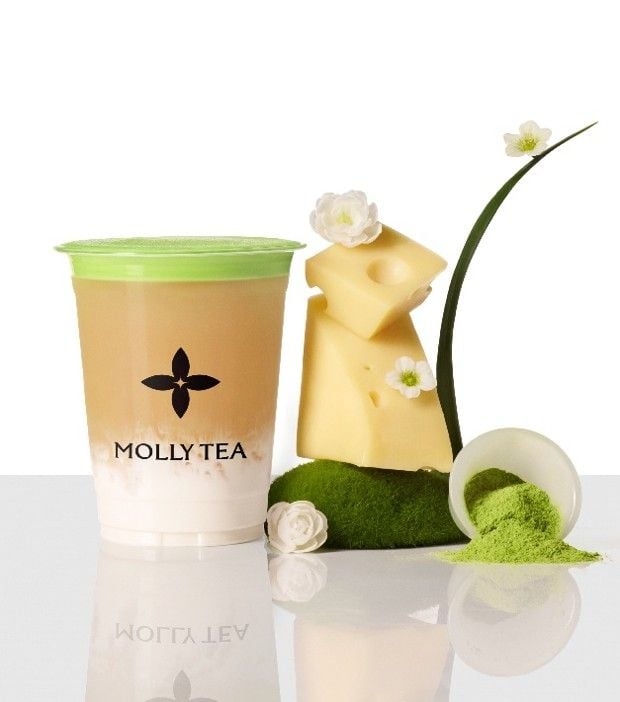
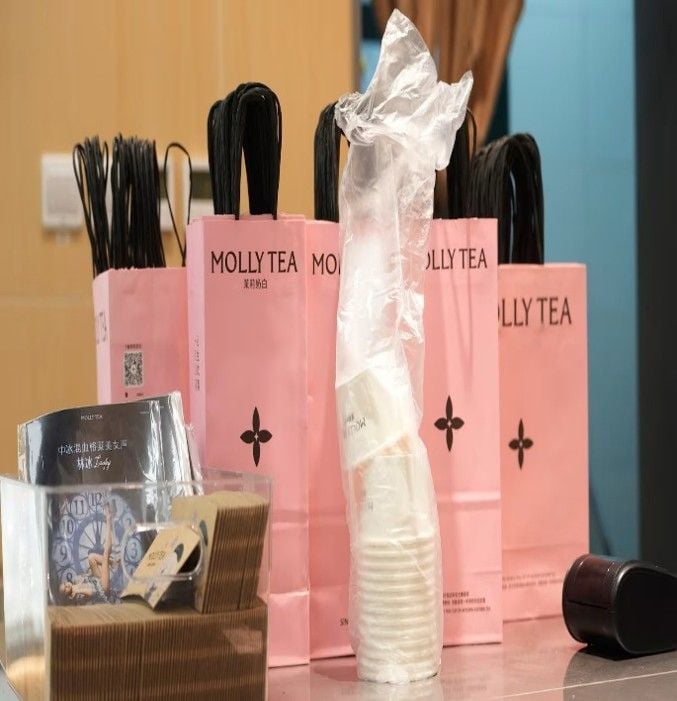
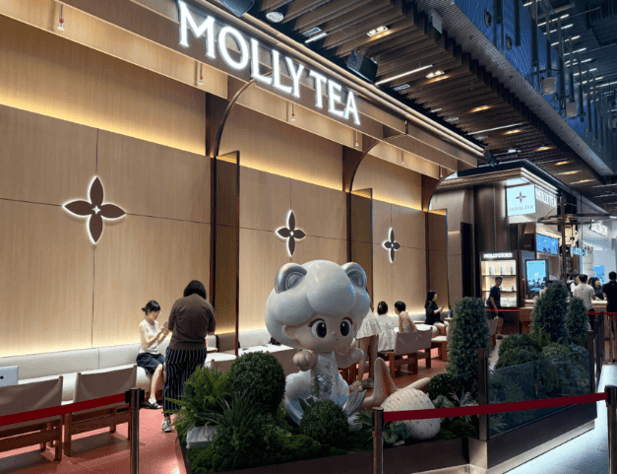
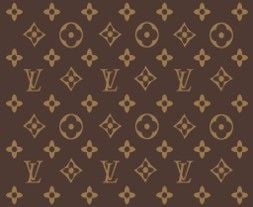
At the heart of the controversy is a comparison that has set Chinese social media ablaze.
- Louis Vuitton's Monogram: A 130-year-old signature motif featuring a specific four-petal floral design inspired by neo-gothic ornamentation and Japonism.
- Molly Tea’s Logo: A brand emblem also featuring a four-petal flower design, which the chain adopted in 2024 to emphasize the "floral notes" of its fresh milk tea
Cultural Heritage vs. Corporate Identity
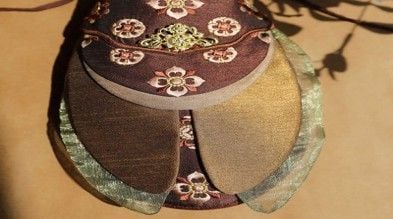
Chinese citizens on platforms like Xiaohongshu (RedNote) have shared side-by-side images comparing the LV monogram to traditional Chinese motifs, such as:
- The Baoxiang (precious flower) decorative motifs from the Tang Dynasty (618-907).
- The four-petal window lattices at the Humble Administrator's Garden in Suzhou.
- Patterns found on a Tang Dynasty rosewood pipa (traditional lute).
Many argue that these geometric shapes have existed for centuries and should remain in the public domain. However, under China's legal system, prior registration often trumps historical origin.
The "First-to-File" Reality
The case highlights a significant "institutional time difference" in intellectual property law. Under China’s "first-to-file" system, trademark rights are primarily granted to the party that registers them first with the China National Intellectual Property Administration.
Louis Vuitton registered its monogram in China as early as 1985 seven years before it even opened its first store in the country. In contrast, while Molly Tea filed multiple applications for various flower marks, most were rejected, with only the Chinese characters for "Molly Tea" being successfully registered.
The Takeaway for Emerging Brands
At IP Partnership Lawyers we act for a lot of businesses who trade globally. These include clothing brands, product brands, food product manufacturers, Franchisors and many more. Interestingly, when clients expand internationally, they often do not include China in their nominated Countries, believing that enforcing that IP may be difficult in China. This case, however, illustrates that quite to the contrary, the Chinese Courts strictly enforce Trade Mark rights registered in their Country.
More importantly, it is a stark reminder of China’s ‘first in line’ rule. Which, crudely, means trade mark protection is afforded to the first business or person who lodges the Trade Mark in China.
For businesses who trade internationally or are looking to expand their business and require global trade mark protection, the lessons are clear:
- Conduct Comprehensive Searches: Before deciding on a brand globally, if required, IP Partnership Lawyers are here to assist with local Trade Mark searches for Australia and also International Trade Mark searches. These searches are carried out by experienced solicitors who review not only the WIPO database, but also the individual Trade Mark register of each Country a Client requires protection in.
- Understand "Likelihood of Confusion": When it comes to Trade Mark infringement, it is important to understand you do not necessarily need to be in the same industry to infringe on a registered Trade Mark. The Courts will consider whether the classes of goods or services are closely related, and further it is clear in China the Courts will consider whether a consumer could reasonably perceive there is a "collaboration" or "relationship," and in such circumstances, the risk is high.
- Navigate Culture Carefully: While traditional elements are public domain, using them as specific commercial identifiers requires them to be used in a distinctive way that avoids similarity with established brands.
Molly Tea has confirmed it will appeal the ruling to a higher court. For now, the tea chain must navigate a difficult path between its cultural "Guochao" (national trend) identity and the strict boundaries of modern IP law.
IP Partnership Lawyers have specialised in Intellectual Property Law, Franchise Law and Commercial Law since 1995 and one of our lawyers would be pleased to speak with you if you have any queries about protecting your Trade Marks by way of Australian Trade Mark registrations or International Trade Mark registrations. Further, our litigation team are available to assist if you require a specialised legal team to handle Trade Mark infringement claims.